



Refractory dry-out curves establish how a lining should be progressively heated after installation to remove the water contained in the material without causing damage. They define heating rates, holding temperatures and the time required at each stage, taking into account the characteristics of the refractory material and the equipment.
Drying is one of the most critical stages of a refractory installation. If the temperature rises too quickly, steam can accumulate inside the lining, generating pressures capable of causing cracks, material detachment or explosive spalling.
What Is a Refractory Dry-Out Curve?
A refractory dry-out curve is a controlled heating schedule applied after a refractory material has been installed. Its purpose is to gradually remove moisture from the lining before the equipment reaches its normal operating conditions.
There is no single dry-out curve suitable for every lining. The material’s behaviour during heating depends on its properties and the specific characteristics of the installation.
A dry-out curve may specify, among other parameters:
- The heating rate
- Holding temperatures
- The holding time at each stage
- Heating and cooling conditions
- The limits that must be respected throughout the process
The objective is to control the migration and removal of water, preventing steam from generating excessive pressure inside the lining.
Why Is Controlled Drying Necessary?
Installed refractory castables contain water that must be removed before the lining is exposed to operating temperatures. If this water is removed too quickly, steam may become trapped inside the material.
The resulting internal pressure can exceed the lining’s strength and cause damage. Therefore, drying should not be understood simply as heating the refractory material, but rather as a thermal treatment that must be planned and controlled according to the installed material.
Drying is a critical stage of installation, and its purpose is to remove water properly. In some cases, the refractory dry-out process can last more than 100 hours and reach temperatures above 600°C.
There is no universal dry-out curve: each application requires its own analysis, taking into account the materials, lining thickness and other relevant conditions.
What Factors Determine a Refractory Dry-Out Curve?
The design of a dry-out curve must be based on the actual characteristics of the lining and the equipment. Applying a generic heating schedule without considering these factors can increase risks during commissioning.
The main factors to analyse include:
- Type of refractory material: its composition and bonding system influence how moisture is released during heating.
- Lining thickness: the thicker the lining, the more difficult it may be for moisture to escape from its inner layers.
- Density and permeability: these properties determine how easily steam can move towards the outside.
- Equipment geometry: the configuration of furnaces, boilers, ducts and other equipment affects the thermal conditions of the process.
- Number of layers: multilayer systems require consideration of how the different materials behave together.
- Installation conditions: the amount of water used, curing conditions and environmental factors must also be taken into account.
How Is a Dry-Out Curve Designed?
The design process begins with a thorough understanding of the refractory material installed and the specific conditions of the application.
One of the methods used to characterise the material’s behaviour is thermogravimetric analysis (TGA). This type of analysis makes it possible to observe how mass loss associated with moisture evolves as temperature increases, providing useful information for establishing an appropriate heating schedule.
The resulting curve must include different heating stages. It does not necessarily involve increasing the temperature at a constant rate from beginning to end. Holding periods may be established to promote controlled moisture removal before the temperature continues to rise.
In industrial applications, the curve must be adapted to the actual lining conditions and the control capabilities of the heating system.
What Happens If a Refractory Material Is Heated Too Quickly?
The main risk is that the water contained in the lining turns into steam faster than it can escape.
When pressure builds up inside the material, several problems may occur:
- Cracking of the lining
- Material detachment
- Internal damage
- Explosive spalling
- Loss of lining performance
- Unplanned shutdowns and repair work
For this reason, a properly installed refractory lining also requires a carefully planned dry-out process. Material quality alone does not guarantee the final result if the subsequent curing and heating stages are not properly controlled.
What Is the Difference Between Refractory Curing and Drying?
Although they are related, curing and drying are not the same process.
Curing allows the installed material to develop its properties correctly before being subjected to heating. Drying, on the other hand, aims to remove the water contained in the lining in a controlled manner through a defined heating schedule.
Both processes must therefore be included in an integrated plan. The point at which heating begins, the rate of temperature increase and the holding periods must be adapted to the material used.
What Role Does Engineering Play in Refractory Drying?
Engineering makes it possible to translate the characteristics of the material and equipment into a specific dry-out procedure.
At Alfran, this expertise is complemented by the services of Intec-Heat, a Grupo Aldomer company specialising in heat treatments. Its services include preheating, post-weld heat treatment and refractory dry-out.
Experience gained from industrial projects makes it possible to address the specific conditions of each application. For example, in a Votorantim project at the Niebla and Córdoba plants, Intec-Heat supervised the setting and drying process of the refractory castable and developed the engineering required for the specific dry-out curves of each application.
Do All Refractory Materials Require the Same Dry-Out Curve?
No. The dry-out curve must be adapted to the installed material and the conditions of the application.
One reason is that different bonding systems behave differently during heating. At Alfran, for example, we offer conventional materials as well as the Drytech range, based on cement-free sol-gel technology.
Drytech linings are designed to allow faster heating and reduce energy consumption during drying, while also lowering the risk of explosions or spalling.
This demonstrates why the material and the dry-out curve must be considered together. Changing the material without reviewing the heating procedure may alter the lining’s behaviour during commissioning.
How Is a Refractory Dry-Out Process Controlled?
The process must be controlled according to the parameters established in the dry-out curve, ensuring that the actual installation conditions remain within the specified limits.
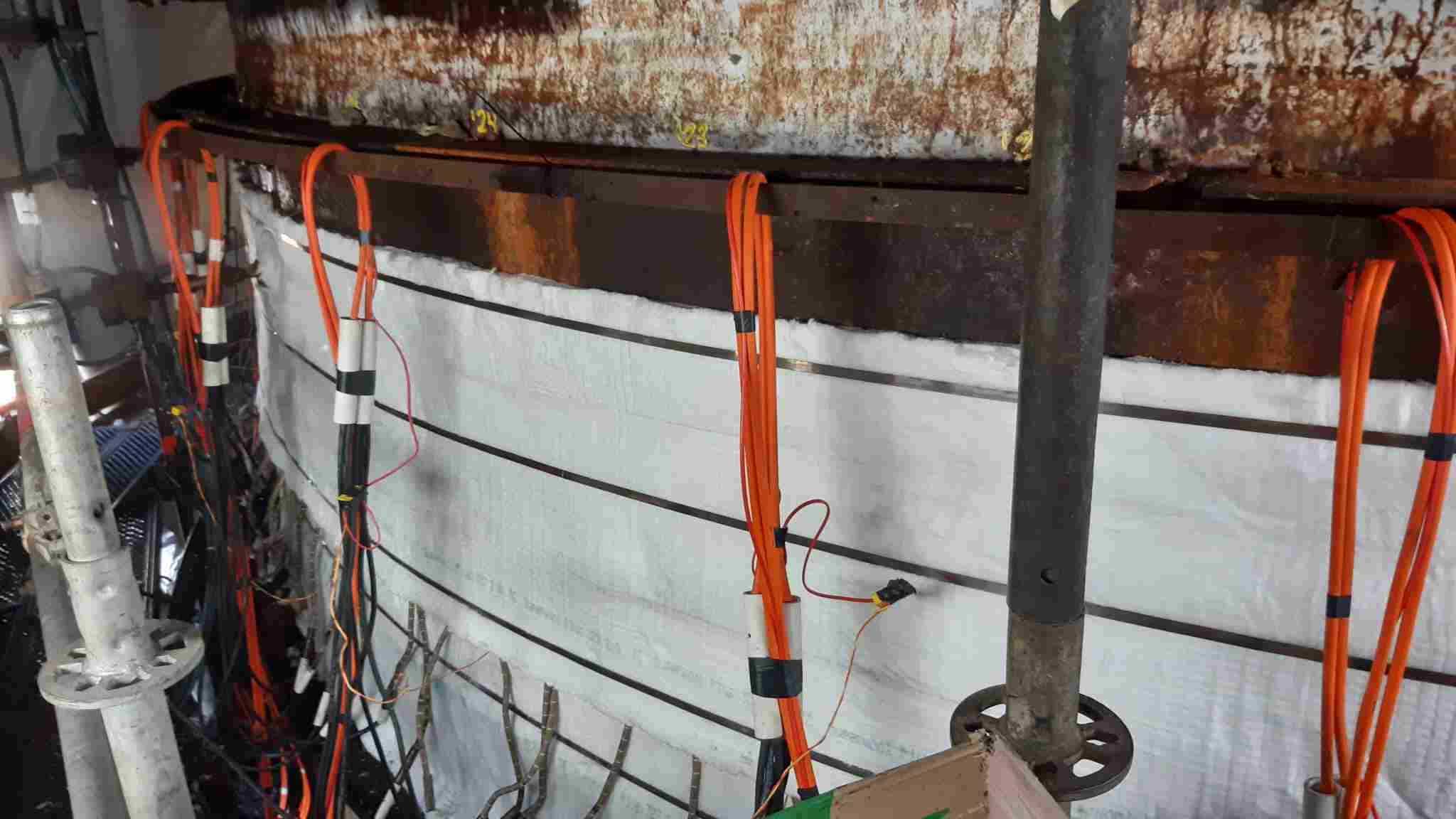
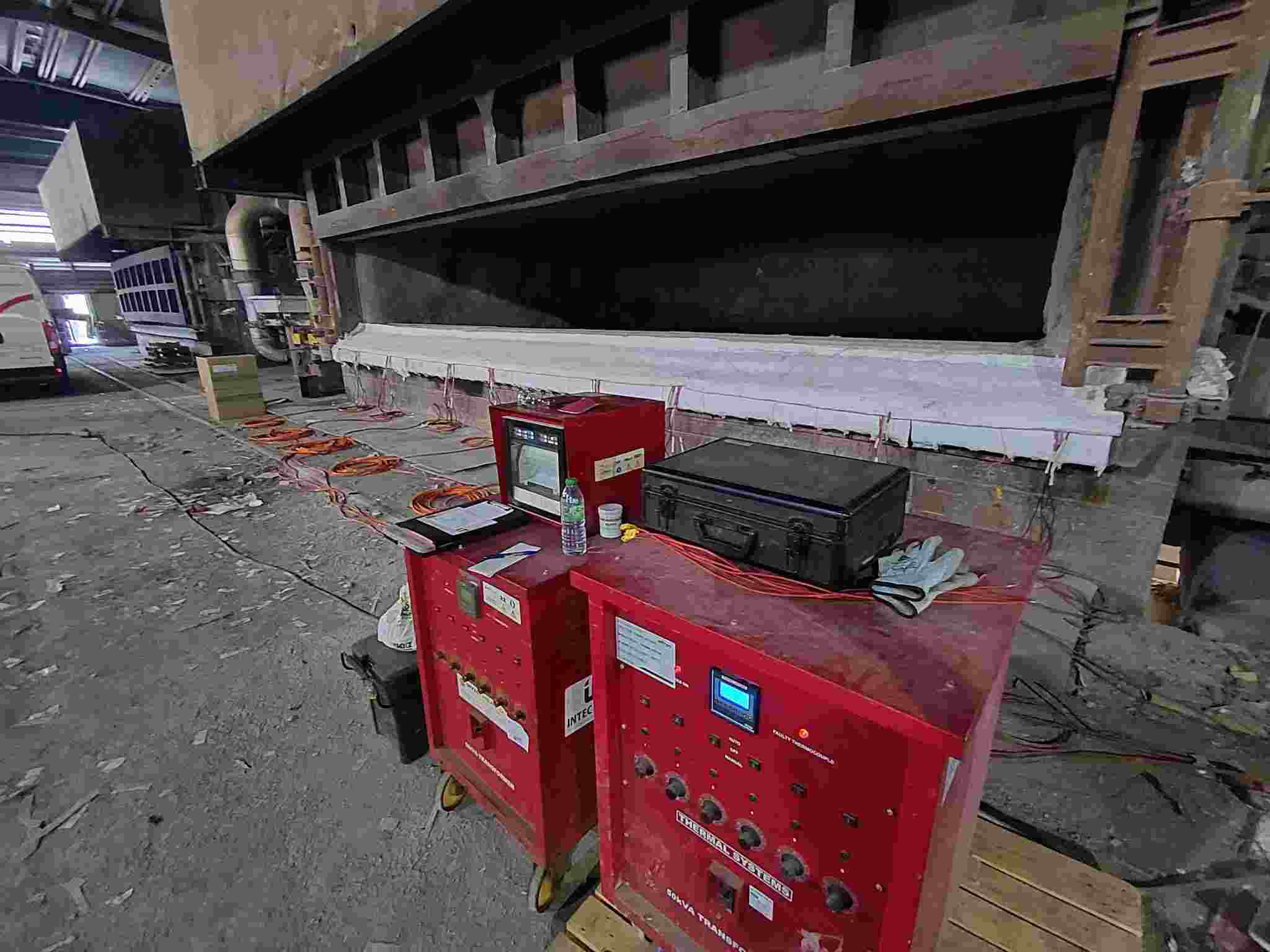
Monitoring makes it possible to track temperature changes at different points and detect deviations during the process. Depending on the installation, measurement and recording systems can be used to provide continuous monitoring of the heat treatment.
This control is particularly important in large industrial installations, where temperature differences between areas can affect the lining’s behaviour.
Refractory Dry-Out Curves: Precision Before Commissioning
A properly designed refractory dry-out curve makes it possible to control one of the most critical stages after lining installation. There is no universal heating schedule: the material, thickness, geometry, installed layers and conditions of each piece of equipment must all be considered.
The objective is simple to define, although technically demanding: to remove moisture in a controlled manner and prepare the lining to operate at high temperatures without compromising its integrity.
The combination of suitable materials, thermal engineering, process control and experience in industrial installations helps reduce the risks associated with commissioning and protect the lining’s long-term performance.
Alfran develops refractory material and installation solutions for different industries and works with Intec-Heat to provide specialised heat treatment and refractory dry-out services.
Frequently Asked Questions
How Long Does Refractory Drying Take?
The duration depends on the material, lining thickness, equipment geometry and the dry-out curve designed for each application. There is no standard drying time that applies to every installation.
What Temperature Is Used to Dry Refractory Materials?
The temperature depends on the material and the procedure established for the project. The dry-out curve determines the temperatures reached, the heating rates and the holding times.
What Are the Risks of Accelerating the Dry-Out Process Too Much?
Excessively rapid heating can cause steam to form quickly and increase internal pressure within the lining, creating a risk of cracking, material detachment or explosive spalling.
Can the Same Dry-Out Curve Be Used for Different Refractory Castables?
Not necessarily. Each material may behave differently during heating, so the curve must be designed taking into account its properties and the specific installation conditions.