
Occupational health and safety is a fundamental pillar for the success and sustainability of any company. In industrial sectors such as Oil & Gas, cement, steel, and energy, working conditions are often demanding and hazardous. Ensuring a safe work environment directly impacts productivity, employee well-being, and operational continuity. At Alfran, we understand that protecting our workers is as essential as ensuring the quality and performance of our products. For this reason, safety is a core value—not merely a priority—since priorities may change, but values endure.
In this article, we will explore the key aspects of fostering an effective safety culture in the workplace. We will examine the most common occupational hazards across various industries and the preventive strategies that should be implemented to safeguard employees. Additionally, we will detail the regulations and laws governing occupational safety, as well as the importance of personal protective equipment (PPE) in mitigating physical, chemical, and ergonomic risks. Ultimately, we will understand how good safety practices not only prevent accidents but also promote a productive and efficient work environment.
We will demonstrate how our philosophy integrates safety into all our operational processes, and how our approach to occupational risk prevention aligns with international standards. This enables us to offer comprehensive and safe solutions to our clients worldwide. Safety is not an isolated aspect but an integral part of how we work and interact with our collaborators, clients, and communities.
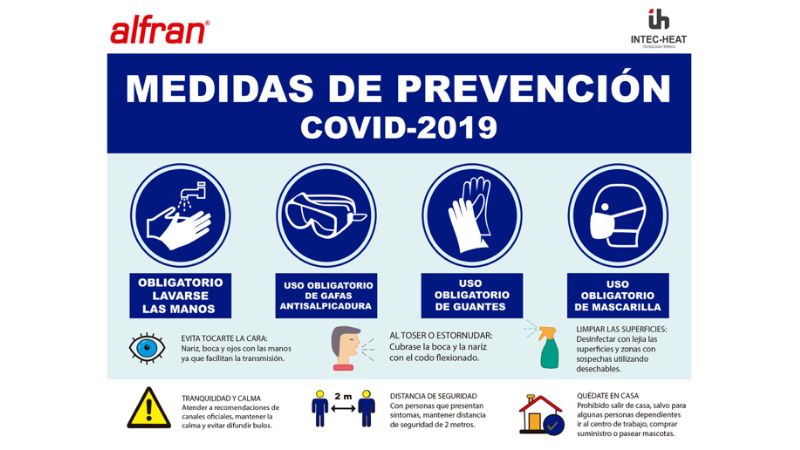
Introduction to Occupational Health and Safety
Occupational health and safety encompasses a set of measures and practices aimed at protecting workers from occupational hazards they may encounter during their duties. This field focuses on implementing protocols and creating safe working conditions to prevent accidents and occupational diseases. In industrial sectors like ours, where work involves high temperatures, heavy machinery, and chemical substances, safety is crucial to prevent injuries and ensure plant operability.
Occupational safety is not merely about legal compliance; it is a preventive approach that involves all levels of the company. Alfran, as part of Grupo Aldomer, maintains a constant commitment to the continuous improvement of occupational health and safety. We promote practices that not only protect our employees but also ensure operational continuity and the quality of our services. For us, a safe work environment is essential to maintain our clients’ trust and strengthen our position in demanding markets.
Main Occupational Hazards in Different Industries
In the energy, chemical, and metal-mechanical industries, occupational hazards can vary depending on working conditions and tasks performed. The main occupational risks include falls, exposure to high temperatures, contact with toxic chemicals, machinery-related accidents, and musculoskeletal disorders due to improper postures. These risks are common in sectors where industrial processes involve handling heavy equipment, hazardous substances, and large-scale operations, such as the plants where Alfran operates.
Identifying these occupational hazards is essential to implement appropriate preventive measures. Companies should have specific occupational safety plans that include emergency protocols, personal protection measures, and continuous training for all workers. In sectors like cement and steel, for example, workers may face extremely high temperatures and exposure to abrasive or corrosive materials, necessitating rigorous occupational risk prevention and innovative solutions to minimize dangers.
Regulations and Laws on Occupational Health and Safety
Various national and international regulations govern occupational health and safety. Internationally, organizations such as the International Labour Organization (ILO) and ISO 45001 establish guidelines and standards that companies must follow to ensure workplace safety. In Saudi Arabia, where Alfran operates, local regulations must be strictly adhered to, including directives from the Ministry of Labour and Social Development, which advocate for the implementation of occupational health and safety programs across all industries.
Beyond international and local regulations, each industry has specific safety requirements. In sectors like O


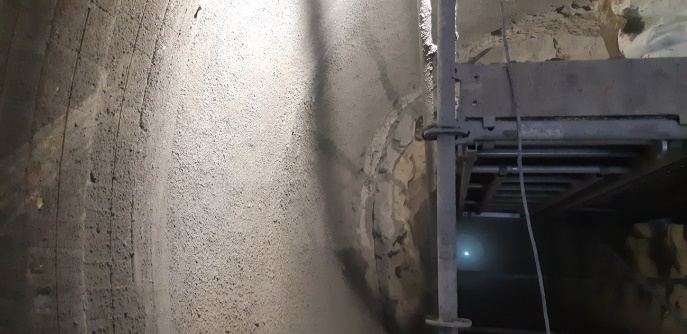
Samples of residual material have been collected to make a postmortem analysis that will allow us to continue improving our materials and customer service.
The environment is a key element in our quality of life. Its state has a direct impact on our health and, therefore, it is everyone’s task to preserve it. The proper use and exploitation of natural resources are fundamental, without forgetting that they are limited and that if we do not act from now, at some point they will run out of them. On the way to the development of new materials to reinforce the circular economy, ALFRAN offers its customers refractory solutions with a wide range of materials, made from recycled materials, coming from industrial waste, which contributes to sustainable development, without interfering in our quality standards and providing a great added value. With this gesture, we collaborate in reducing energy consumption and therefore in CO2 emissions on our planet.